Whoa! Ever felt like you’re missing the secret signals that whales drop on Binance Smart Chain? Yeah, me too. It’s like trying to catch a subway train blindfolded—sometimes you get lucky, but mostly you just stand there wondering what the hell just happened. Token unlocks, whale moves, copy trading—these aren’t just buzzwords; they’re the pulse of the BSC ecosystem for savvy traders. But here’s the catch: without the right tools and tricks, you’re flying blind in a storm of data and noise.
So, let me break down how you can get ahead of the game by using some killer insights and tools—like the ones at https://bscscanexplorer.github.io—to not only track token unlocks and whales but also set up your own copy trading moves with confidence. It’s not magic, but it sure feels like it when you catch that next big move before everyone else does.
Here’s the thing. When a token unlock event happens, it can send shockwaves through the price. Big holders suddenly gaining access to their tokens might dump or hold, and knowing which it is can make or break your trade. But how do you track that? And more importantly, how do you spot whales moving funds without staring at raw blockchain data for hours?
Initially, I thought it was just about watching transaction sizes. But actually, wait—let me rephrase that… it’s more about combining multiple data points: token unlock schedules, wallet label tags, and real-time transaction monitoring. This is where tools like BscScan’s Watchlist and the Labels section come into play, providing a much-needed shortcut.
Really? Yeah. Because filtering through thousands of transactions manually is a nightmare. And frankly, most people don’t realize that a simple wallet label—like “Binance Hot Wallet” or “Team Wallet”—can instantly change how you interpret a move. Suddenly, a 10,000 BNB transfer isn’t just a big number; it’s a known exchange moving assets, which is very different from some anonymous whale offloading tokens.
Let’s get a bit deeper. Token unlock alerts are your early warning system. When a token’s vesting period ends, large holders get their hands on previously locked tokens. If you’re smart, you set up alerts so you’re notified the moment these tokens become transferable. This isn’t just about watching price charts; it’s about anticipating supply shocks before they hit the market.
Okay, so check this out—on https://bscscanexplorer.github.io, you can track these unlocks by monitoring specific contracts and their “Events” tab. This shows logs of token transfers and contract interactions. You can filter these events by block number or timestamp to catch the exact moment unlocks occur. It’s like having a backstage pass to the blockchain’s most private moments.
But wait, there’s more. Whale tracking is often misunderstood. Many think it’s all about monitoring huge transactions. Sure, that’s part of it. But the real edge comes from understanding the context: which wallets are involved? Are these wallets linked to exchanges, project teams, or known scammers? BscScan’s Labels feature tags many of these addresses, allowing you to distinguish between a whale offloading tokens and a bot shuffling funds internally.
Hmm… something felt off about just watching large transfers. The real trick is watching internal transactions too. These are calls made within smart contracts that don’t show up as normal transfers but can reveal liquidity movements, flash loans, or arbitrage actions. The “Internal Txns” tab on BscScan is a hidden gem for this. It’s like peeking behind the curtain of complex DeFi operations.
So, how about copy trading? I’ll be honest—I was skeptical at first. Copy trading sounds like a get-rich-quick scheme. But actually, it can be powerful if done right. The key is transparency: knowing exactly who you’re copying and their on-chain activity. Not just some random influencer’s hype.
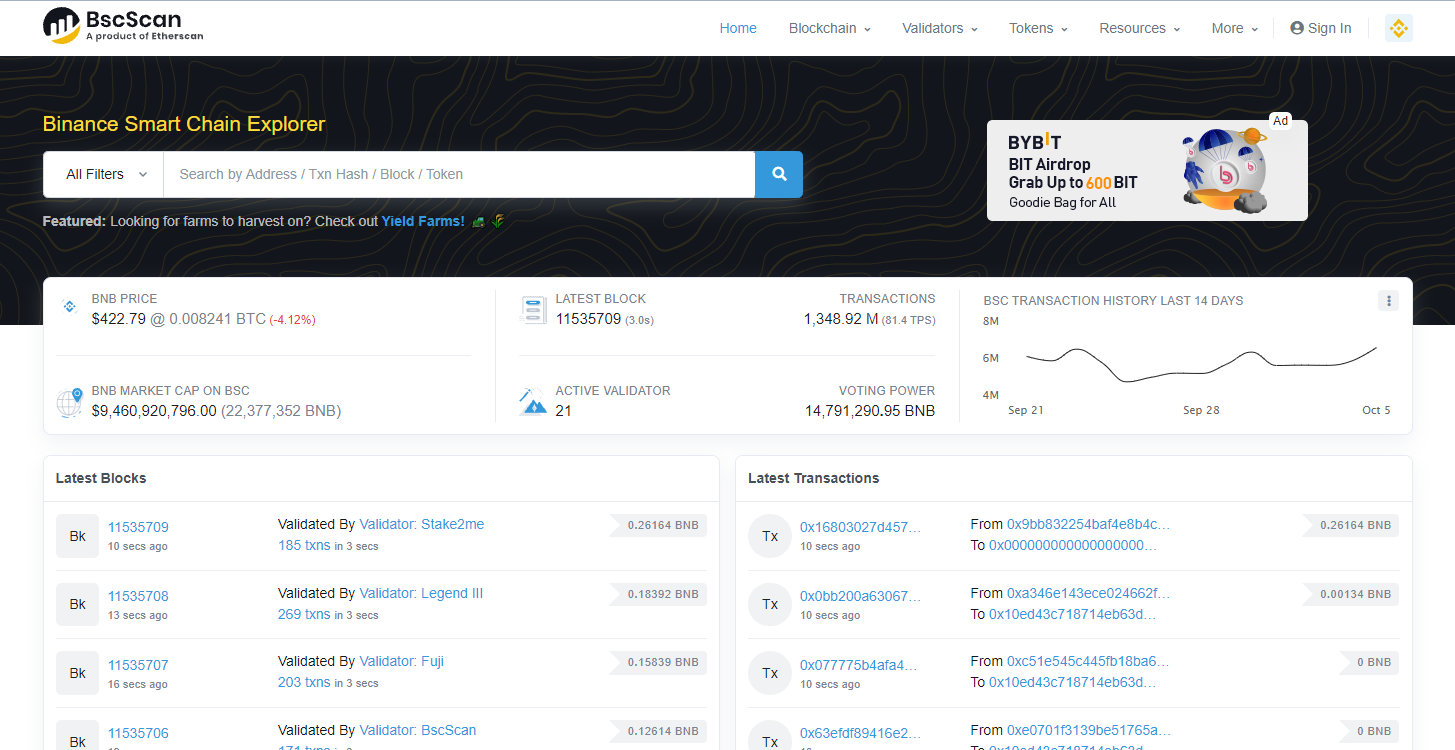
How to Set Up Token Unlock Alerts and Whale Tracking Like a Pro
First off, get familiar with BscScan’s Watchlist. It’s a lifesaver. Add the contracts of tokens you’re invested in or interested in, plus wallets you want to track—like known whales or project team wallets. Then, enable notifications via email or webhooks. This way, you get pinged instantly on transfers, contract changes, or unlock events. No more refreshing pages endlessly.
My instinct said, “This is too good to be true,” but after trying it, I realized the delay is minimal, usually a couple of minutes max. That’s enough for most traders to jump in or out. Just remember, during network peaks, BSC can slow down a bit, so don’t freak out if your alert is a tad late.
Next, use the Labels section to decode who’s who on the chain. For instance, if you see a transfer from a “Team Wallet” to an “Exchange Hot Wallet,” it might signal upcoming token sales. Conversely, transfers between “Liquidity Pool” labels and “Staking Contracts” often mean users are locking in tokens, a bullish sign.
Here’s what bugs me, though: many people ignore the “Internal Txns” tab, missing out on the real action behind the scenes. Especially in DeFi, where contracts interact recursively, only internal transactions tell the full story. For example, a single swap might trigger multiple internal calls, revealing arbitrage or flash loan activity.
So combine all this: token unlock schedules, wallet labels, event logs, and internal transactions. That’s your trifecta. Use https://bscscanexplorer.github.io to access these features seamlessly—it’s like having your own blockchain detective toolkit.
Copy Trading: Riding the Whale’s Wake Without Falling Off
Copy trading on BSC isn’t just about blindly mimicking wallet activity. You want context. For example, track wallets with verified tokens, strong holder distribution, and consistent trading patterns. Avoid accounts that suddenly pump and dump. Use the “Analytics” tab on token pages to analyze holder concentration and transaction frequency.
Initially, I thought any big trader could be copied, but actually, wait—let me rephrase that. The best copiers are those who document their strategy and transparently share their wallet addresses. That way, you can verify their activity in real time on BscScan and react accordingly.
For automation, some platforms integrate BscScan’s API to pull wallet activity and execute trades automatically. Handy, but be careful. Automation without understanding the underlying transactions can be costly, especially with gas fees and sudden market moves.
On one hand, copy trading offers a shortcut for newbies. On the other, it’s a risk if you don’t keep an eye on the blockchain yourself. So, blend copy trading with your own research using BscScan’s tools—don’t just rely on signals.
And oh, by the way, you can also keep tabs on “pending transactions” in the TxPool feature to see if a whale’s move is about to hit the chain. That’s some next-level timing, but it requires patience and practice.
Putting It All Together: Your BSC Edge
There’s no silver bullet here. But combining token unlock alerts, whale tracking, and smart copy trading strategies gives you a tangible edge. You’re not just guessing; you’re reading the blockchain’s tea leaves.
But hey, let me be real—this stuff isn’t foolproof. Network lags, front-running bots, and sudden market swings can still catch you off guard. Still, knowing what’s happening behind the scenes beats flying blind any day.
If you want to dive into this yourself, bookmark https://bscscanexplorer.github.io. It’s free, fast, and packed with features that even many seasoned BSC users overlook. Seriously, it’s worth your time.
And remember: patience is key. Watching whales is like watching a big fish in a pond—you gotta wait for the right moment to cast your net. Don’t jump at every splash.
FAQs on Token Unlock Alerts, Whale Tracking, and Copy Trading
How do I identify when a token unlock is about to happen?
Check the token’s smart contract and project announcements for vesting schedules. Then, set alerts on the token’s contract address via a tool like BscScan’s Watchlist. Monitor the “Events” tab for transfer logs around those dates.
What’s the best way to differentiate between normal large transfers and whale moves?
Use wallet labels on BscScan to see if the sender or receiver is a known exchange, project team, or liquidity pool. Whale moves usually come from personal wallets, not exchanges or contracts.
Is copy trading risky on Binance Smart Chain?
Yes and no. It’s risky if you blindly follow without context. But if you use blockchain data to verify wallet activity and strategies, it can be a useful way to learn and profit. Always combine copy trading with your own due diligence.